
Pretend

Pretend you are about to die
Pretend you have no fear
Now go about your day
~Pir Elias Amidon
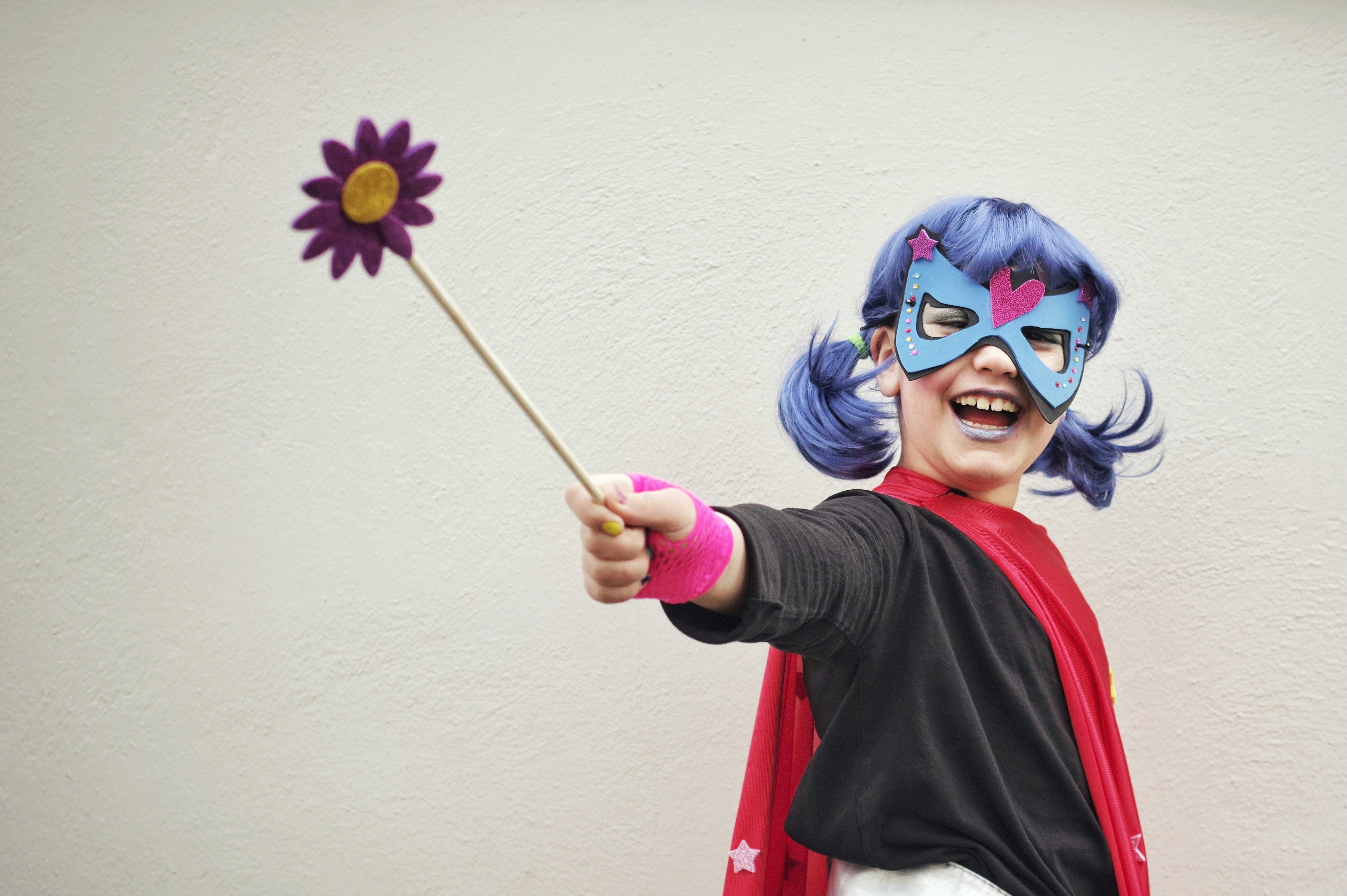
Playing ‘pretend’ was a childhood game for us all. We became Superman (until Wonder Woman arrived on the scene), doctors, teachers, firemen, parents (usually mothers until it became cool to be a father), aliens and monsters. We even pretended we were dead. Sometimes we were buried under beach sand, with only our heads visible.
Now we can play at having no fear of dying and death. We can experiment with what that might feel like as we go about our day, fully aware of our aliveness and the idea (actually, the fact) that we may die at any moment. What would that feel like, this very tangible, sensate existence ending?
It is unfathomable. We cannot experience non-existence, though we can breathe into our day with the knowledge of its truth. We can open to that which holds us, supports us, embraces us…that something greater than each one of us is. Most likely, we each have a name for this. It may be the name we learned as a child. Or it may be a name adopted as an adult. Or it may have no name at all, simply a sense of connection.
The wisdom traditions of the world provide us with practices that make this opening more possible. Most of these wise ways have a deep acknowledgement of death. Meditation and prayer practices often turn us toward the inevitability of our demise. Some traditions open us to the world of an afterlife, others to additional lives. In unbuilt, countryside surroundings we see clearly the cycle of life conclude with the death of leaves and creatures. Some practices even take place in cremation grounds or cemeteries where we come face-to-face with the certainty of death.
Almost all of us have a fear of death. It is built into our survival mechanisms. There is no shame in being afraid. Talking about it may help us live more comfortably with our verbalised or unspoken fear of what happens when we die. Since 2004, when Swiss sociologist Bernard Crettaz created the first cafe mortel thousands of gatherings have taken place all over the world to do just that. In 2011 Jon Underwood introduced Death Cafes to London and create as a clearinghouse and support hub for in-person and online cafes globally.
(deathcafe.com) Being in a safe, somewhat structured, non-judgemental environment is a supported way to bring this taboo into conscious awareness and might lessen the fear.
We may not be able to live the rest of our lives without the fear of dying and of death itself. But we can, for a day, pretend.